Opening soon in Málaga

Clínica ELYSIA · Precision & Longevity Medicine

Your health
has no limits

Precision preventive medicine. Personalised protocols based on scientific evidence so you can live longer, better and with purpose.

+100

Biomarkers analysed

+25 yrs

Medical experience

2026

Cutting-edge science

You may have seen us at

8.000 DíasCadena SER

Dr Mehran Izadi has published in

  • Springer
  • ScienceDirect
  • Cambridge University Press
Read the publications
Prevention with data

What is Longevity Medicine?

Medicine diagnoses and treats disease, and it is essential. Longevity medicine goes one step further: it measures how your body is working while you are still well, so you can look after it before a problem appears.

Two approaches that add up

Clinical medicine

Clinical medicine

Diagnoses and treats

Diagnoses and treats disease when it appears

Essential for any symptom or health problem

Compares your results with population ranges

Focuses on the specific organ or problem

Longevity medicine

Longevity medicine

Clínica ELYSIA · one step further

Measures how you are working while you are still well

Looks for what is optimal for you, not just normal

Looks at the 12 hallmarks of ageing and reads all your tests together

Goal: a body that works well for many years

The science behind it

The 12 hallmarks of ageing

“It's your age” is not an explanation. Since 2013, science has summed up in 12 processes why we age. We explain them in plain words and show you how we work with them at ELYSIA.

They do not carry the same weight or arrive at the same time. Their authors arrange them in three layers: first the damage, then the body's response and, finally, the consequences.1,2

PRIMARYANTAGONISTICINTEGRATIVE123456789101112
Layer 1 / 3The damage5 hallmarks

Tap a hallmark to read it in full.

  • Damage to DNA, telomeres, the epigenome, proteins and the cell's organelles. It builds up over time and its effect is clearly negative.

    What it means for you: That is why prevention starts here: sun and tobacco add damage years before you notice anything.

All 12 are connected: none of them acts alone.

Three of the five authors of the current version work at Spanish institutions: the University of Oviedo, CNIO in Madrid and IRB Barcelona.

Source: López-Otín et al. · Cell · 2013 · López-Otín et al. · Cell · 2023

So what is ageing?

For centuries it was seen as inevitable wear and tear, like an old machine. In recent decades science has seen something different: ageing is a set of biological processes that can be studied, partly measured and partly influenced.

That is why “it's your age” is not an explanation.

It is the name of 12 processes, and several leave signals that can be measured today.

Five moments that changed how we think about ageing

  1. 1993

    One gene, twice the lifespan

    A mutation in a single gene makes a tiny worm live more than twice as long. The pace of ageing is also regulated by biology: it is not just wear and tear.

    Kenyon et al. · Nature · 1993
  2. 2013

    Nine common hallmarks

    Carlos López-Otín and his team organise what was known into nine processes that appear with ageing in very different organisms, with a special focus on mammals.

    López-Otín et al. · Cell · 2013
  3. 2014

    The biggest risk factor

    Leading researchers sum it up: ageing is the biggest risk factor for most chronic diseases. Understanding why we age is also understanding why we fall ill.

    Kennedy et al. · Cell · 2014
  4. 2021

    The hallmarks of health

    López-Otín and Guido Kroemer describe the opposite: what keeps us healthy. They define health not as the absence of disease, but as a set of features that keep the body organised.

    López-Otín and Kroemer · Cell · 2021
  5. 2023

    12 connected hallmarks

    Disabled autophagy, chronic inflammation and dysbiosis are added. All 12 are connected with each other and with the hallmarks of health.

    López-Otín et al. · Cell · 2023

The science

What science measures, explained in plain words.

Research describes 12 hallmarks that shape how we age. We explain them one by one, in plain words and with their sources, and, where possible, how we measure them at ELYSIA.

Tap or click a hallmark to see it explained.

Genomic instability

DNA is the instruction manual inside every cell. It is damaged every day, by sunlight, tobacco or simple copying slips, and the cell repairs it. With the years more errors slip through and the instructions become harder to read.

Like a text copied over and over: each copy carries a new typo or two.

Sunlight is one of the best-studied sources of damage, and it leaves its mark on the skin: in 298 women, sun exposure appeared to account for around 80% of the visible signs of facial ageing. And it can be slowed: in a trial of 903 adults, daily sunscreen cut skin ageing by 24% over four and a half years.

Our skin analysis shows the sun's footprint on your skin, one of the visible signs of this hallmark.

Telomere attrition

Telomeres are the protective ends of chromosomes. They shorten a little every time a cell divides and, when they get too short, the cell stops dividing or works less well.

Like the blank pages at the back of a notebook: each copy uses one up and, when they run out, there is no room for more.

Discovering how telomeres protect chromosomes earned the 2009 Nobel Prize in Medicine. And one of the authors of the 12 hallmarks, María A. Blasco, researches telomeres at CNIO in Madrid.

Epigenetic alterations

Your DNA does not change, but which genes are switched on or off in each cell does. Those marks respond to how you live and, with the years, they drift out of order.

It is the same score, but over the years instruments start playing that should stay silent.

It is one of the most active fields of research: epigenetic clocks try to read from those marks how fast cells are ageing. Dr Mehran Izadi, co-founder of ELYSIA, is first author of a review of these biomarkers.

Your plan looks after what science links to those marks: how you eat, move, sleep and handle stress.

Loss of proteostasis

Proteins are the parts that do the work inside a cell. They have to fold properly and, when they break, be repaired or removed. With age that control weakens and faulty parts accumulate.

Like a badly folded piece of origami that sticks to others: if no one clears it away, they clump into tangles that get in the way.

Misfolded or clumped proteins, when they persist, contribute to age-related conditions such as Alzheimer's disease, Parkinson's disease and cataracts.

Disabled macroautophagy

Autophagy is how a cell takes apart and recycles what it no longer needs, such as old proteins or worn-out mitochondria. With the years it recycles less and less well. Working out how it functions earned Yoshinori Ohsumi the 2016 Nobel Prize in Medicine.

Like a house where nobody takes the rubbish out: at first you do not notice; after a few months, there is no room for anything.

Until 2023 it was studied as part of proteostasis; that year it became a hallmark in its own right, because it recycles not only proteins but whole organelles. Almost everything we know about how to influence it comes from laboratory studies.

Deregulated nutrient-sensing

Your cells have sensors that tell them whether energy is plentiful or scarce, such as insulin or the mTOR and AMPK pathways. When we are young they help us grow; later on, if they are always set to “plenty”, they speed up wear and tear.

Like a thermostat stuck on “heat”: handy in winter, exhausting all year round.

Differences show up well before diabetes: in 11,092 adults without diabetes, a glycated haemoglobin of 5.5 to 6.0% was linked to a 23% higher coronary risk than one of 5.0 to 5.5%. Diabetes starts at 6.5%.

We see it in your blood panel (glucose, insulin and glycated haemoglobin) and with indirect calorimetry, which shows how your body uses energy at rest.

Mitochondrial dysfunction

Mitochondria turn the food you eat and the oxygen you breathe into the energy every cell runs on. With age they produce less and leave more waste behind.

They are each cell's power stations: as the station ages, it gives out less light.

It is one of the most trainable hallmarks: in 12 weeks, interval training improved muscle mitochondrial respiration in both younger and older adults. And fitness matters: in 122,007 people, being below average rather than above was linked to the same rise in mortality as smoking.

We measure what they deliver: your aerobic capacity (VO₂ max) and how you burn energy at rest (indirect calorimetry).

Cellular senescence

These are damaged cells that stop dividing but are not cleared away. At first they protect us, holding back tumours and helping wounds heal. When they build up, they send out inflammatory signals that harm the cells around them.

Like a neighbour who no longer works but plays loud music all night: contributes nothing and keeps everyone else awake.

In mice, clearing these cells delayed age-related problems. In older adults, 12 weeks of structured exercise lowered their markers in the blood.

Exercise lowering its markers in older adults is one of the reasons training is part of your plan.

Stem cell exhaustion

Stem cells are the reserve your body uses to repair and renew its tissues: blood, muscle, skin, gut. With age there are fewer of them and they respond less well, so repair slows down.

Like a club's youth academy: if it is not renewed, one day there is nobody left to send onto the pitch.

One way it shows is in muscle, which becomes harder to keep and to rebuild. And strength matters: in 139,691 people across 17 countries, every 5 kg less grip strength was linked to 16% higher mortality, a better predictor than systolic blood pressure.

We look at how your muscle is doing: how much you have (body composition) and how strong it is (grip strength).

Altered intercellular communication

Cells talk to each other through signals that travel in the blood, between tissues and through the material around them. With age those messages get distorted, and a local problem can end up affecting the whole body.

Like a group chat where everything arrives late, twice or garbled: everyone ends up doing whatever they think was meant.

No organ ages alone: changes in one tissue can wear down others. One example in people: kidneys that work less well raise the risk of heart problems.

It is why our medical team reads all your results together, not one at a time.

Chronic inflammation

Short bursts of inflammation save us: they heal wounds and fight infection. The problem is the kind that lingers in the background, low and constant, with no fever or pain. Scientists call it inflammaging.

Like embers: no flame, but they never go out and keep heating everything around them.

That background inflammation is linked to the diseases that cause the most disability and death worldwide, from heart disease to diabetes. Among the things that fuel it are inactivity, a poor diet and psychological stress.

The high-sensitivity CRP in your blood panel picks up background inflammation that causes no symptoms.

Dysbiosis

Trillions of bacteria live in your gut. They help you digest, make substances your body uses and train your immune system. When that ecosystem loses variety or balance, digestion, inflammation and metabolism all suffer.

Like a forest: the more species live together, the better it weathers a drought or a pest.

There are about 38 trillion of them, roughly as many as your own cells, not ten times more as was often repeated. In over 9,000 people, ageing well went with a microbiome that became increasingly unique. And in a 17-week trial, eating more fermented foods increased its diversity and lowered markers of inflammation.

The microbiome test shows which bacteria you have and in what proportions.
From knowledge to your plan

The 12 hallmarks are the map. At ELYSIA we use it to read your tests and design your plan with the ELYSIA Biological Precision Method: measure, optimise and recover.

01Measure02Optimise03RecoverTHE ELYSIAMethod

And because the hallmarks are connected, our medical team reads all your tests together.

How we work

The ELYSIA Method

A scientific and human process designed to transform your health in a comprehensive and sustainable way.

1 / 6
Our programmes

Find the programme that’s right for you

From the free test to the all-in programme. The method is always the same: Measure · Optimise · Recover. What changes is the focus, depending on your goal.

Not sure where to start? Assess your lifestyle for free
Gift card

Give health. Give ELYSIA.

A gift that can truly change a life. Choose the programme and we handle the rest.

Tap a card to give it.

And your skin too

What the mirror
doesn't show you yet

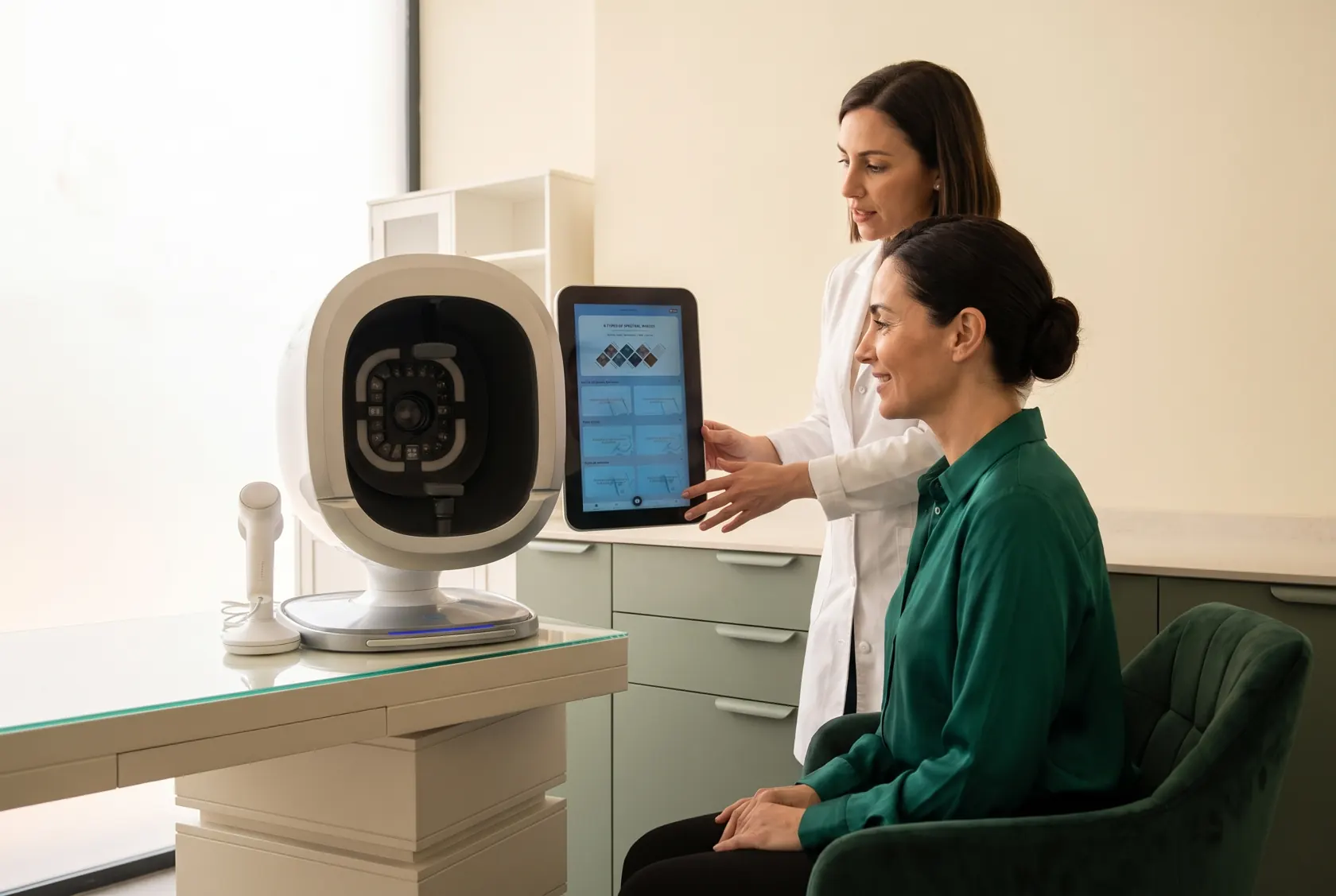
36 megapixels, 8 types of light and 17 indicators to find out what is going on with your skin and what it really needs. Already available.

See the Skinscanner
A recreation of a skin analysis in the Aura Room
Our Specialists

Team

The people who will look after you, with their names and faces.

Co-founders

MI
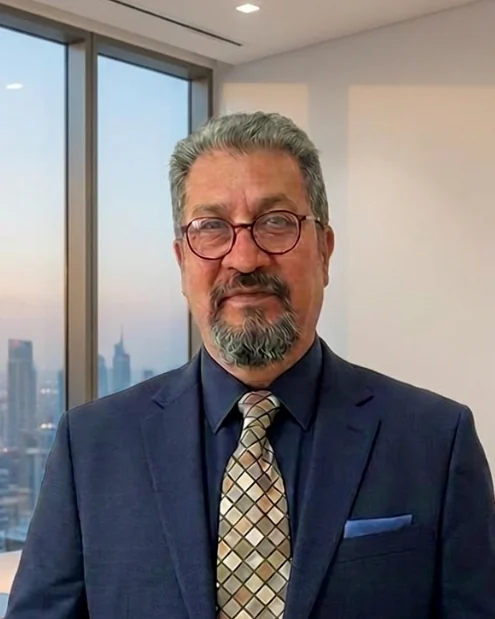
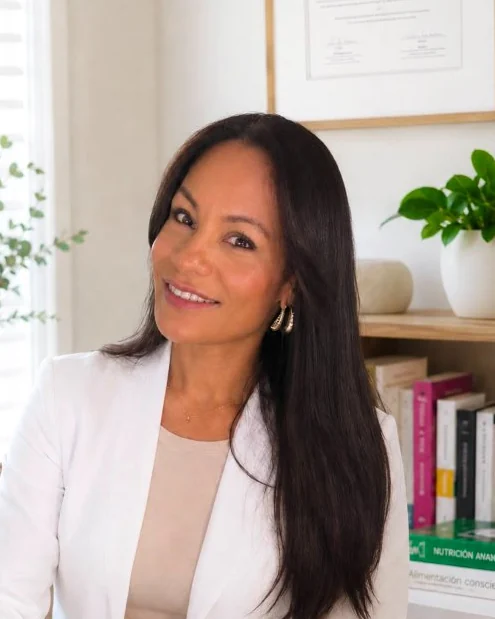
Dr. Mehran Izadi
Co-founder

Dr. Mehran Izadi

CEO & Co-founder

Internal medicine doctor with a postgraduate diploma in anti-ageing and longevity medicine from the University of Seville. More than 25 years in preventive medicine designing protocols that combine the latest scientific evidence with a deeply human approach to each patient.

BT
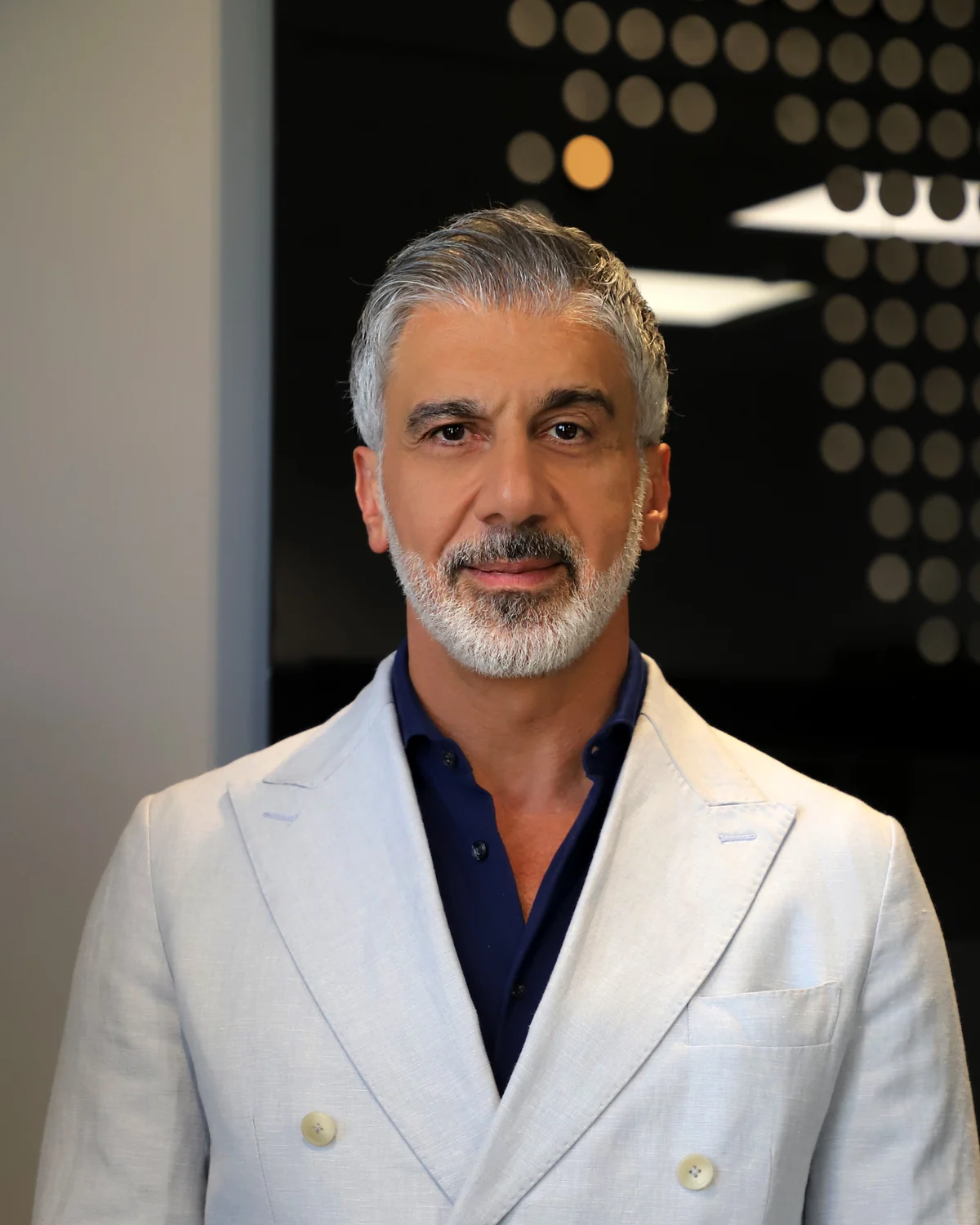
Behrooz H. Tehrani
Co-founder

Behrooz H. Tehrani

Health Foresight & Biotechnology Specialist

Co-founder of Clínica ELYSIA and a specialist in health foresight and biotechnology. His job is to see where science is heading before it gets here: which advances in measurement and biotechnology are ready for the clinic, and which are not yet.

The team

VD
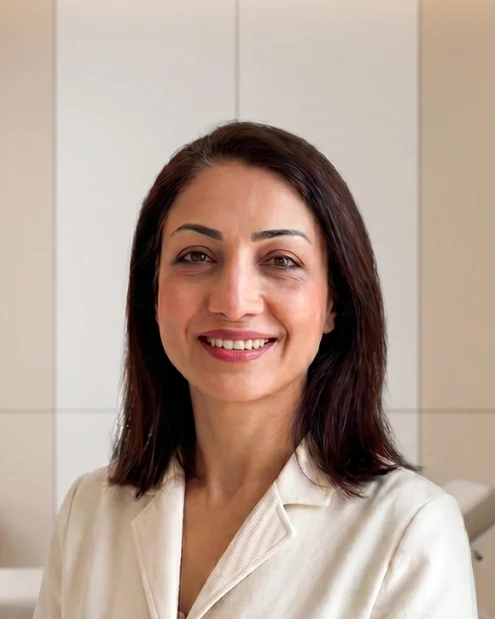
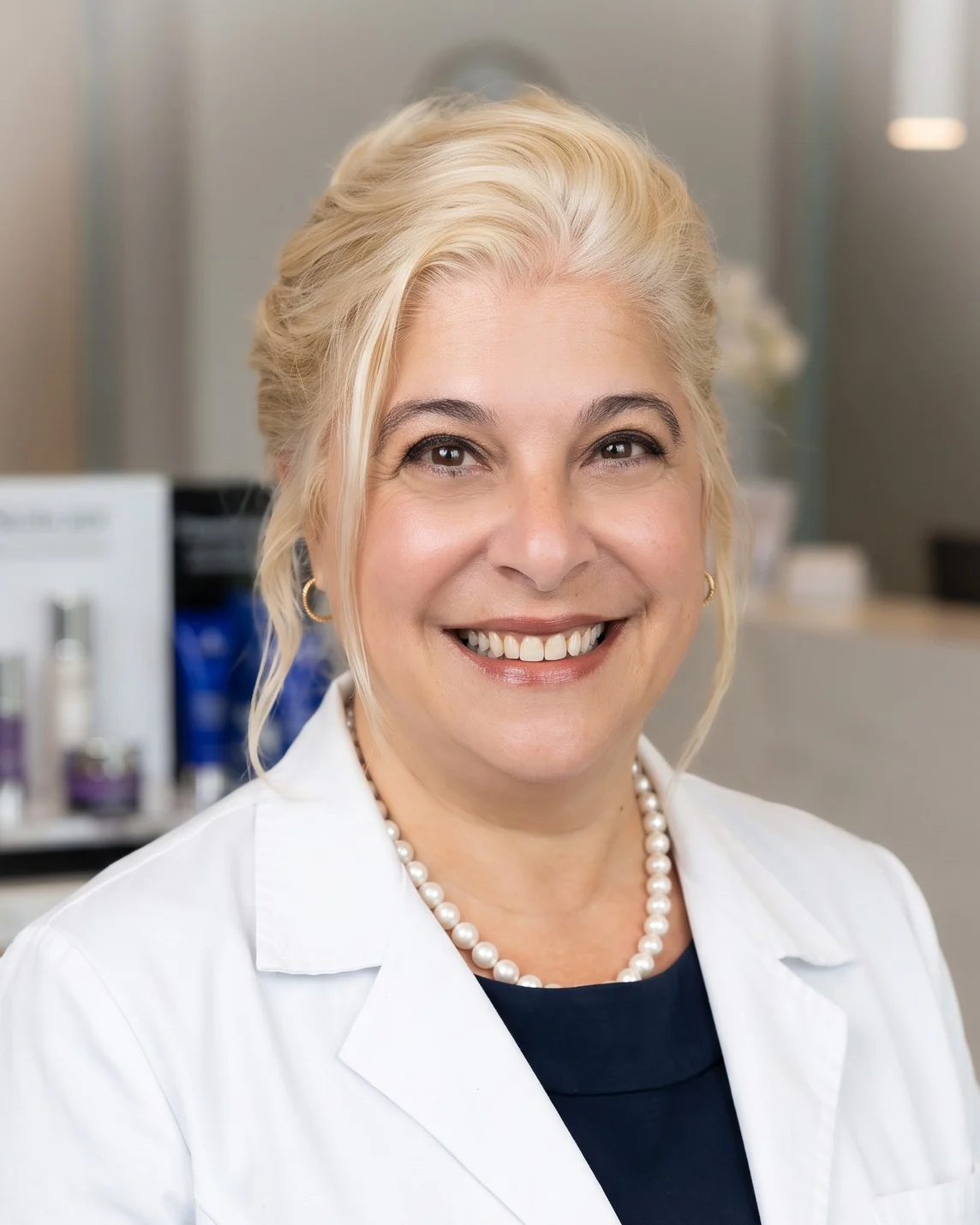
Dra. Violeta Banafsheh Dadsetan

Dra. Violeta Banafsheh Dadsetan

Doctor

Longevity medicine doctor with 17 years of experience. She treats each patient as a whole, with personalised protocols that come from their own data and from scientific evidence, not from a template.

MG
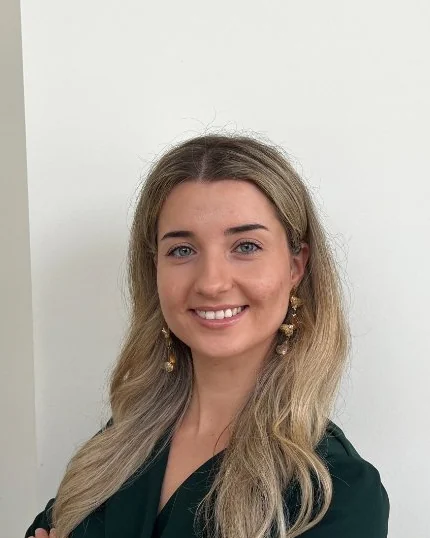
María Guerrero

María Guerrero

Coordinator & Receptionist

In charge of coordination and patient care at Clínica ELYSIA. She is the first voice you hear and the one who stays with you afterwards: appointments, questions and follow-up, so that nobody is left waiting for an answer.

KB
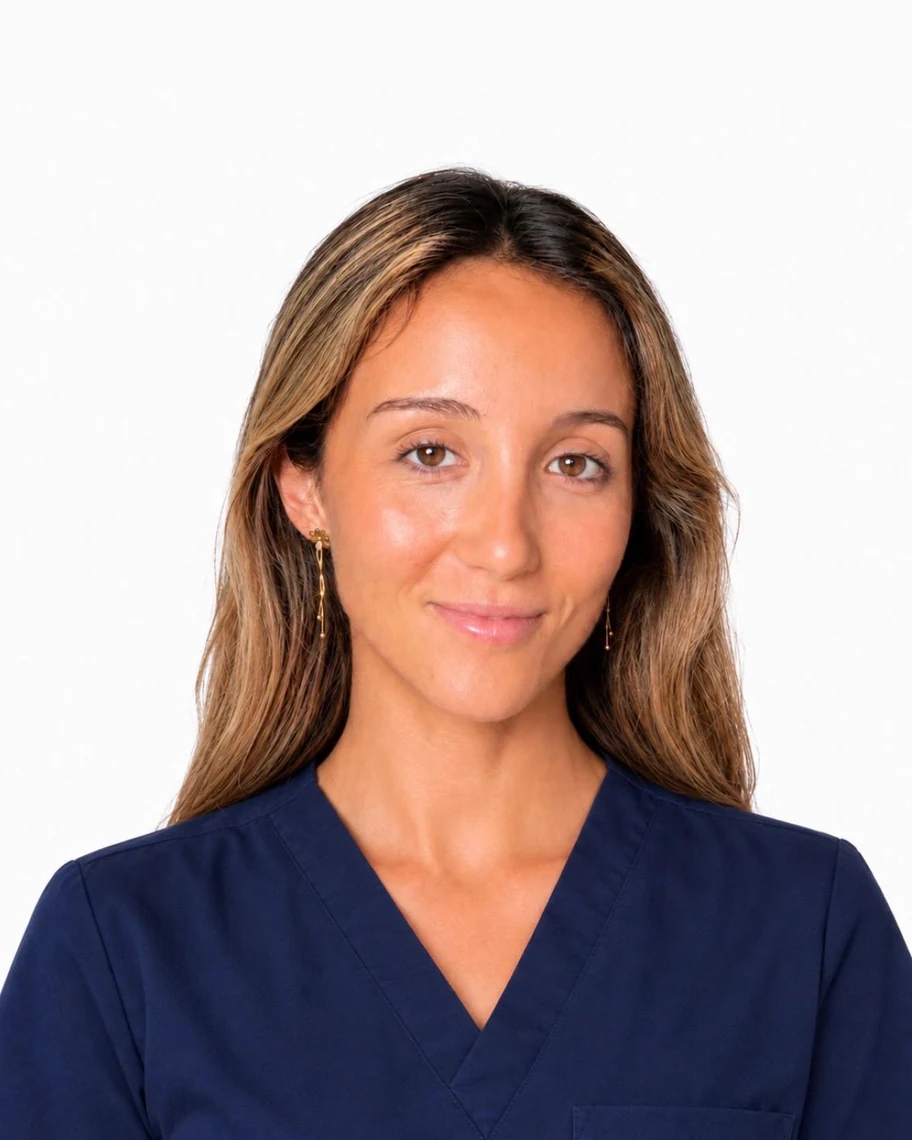
Dra. Keith M. Borges

Dra. Keith M. Borges

Nutritionist

Clinical nutritionist and PhD from the University of Granada, with more than 15 years of international clinical experience. She improves health and quality of life with nutrition that is evidence-based and personalised for each patient.

KD
Dra. Karina de la Torre Damico

Dra. Karina de la Torre Damico

Plastic Surgery & Aesthetic Medicine

Plastic surgeon with over 30 years' experience in aesthetic and reconstructive surgery, and a Master's in Aesthetic Medicine from the University of Málaga. Her priority is always the same: natural results and careful decisions.

DS
Dr Marta Salas

Dr Marta Salas

Aesthetic Physician

A doctor dedicated to aesthetic medicine. At ELYSIA she looks after each patient's skin with treatments chosen for their case, with medical judgement and nothing overdone.

VL
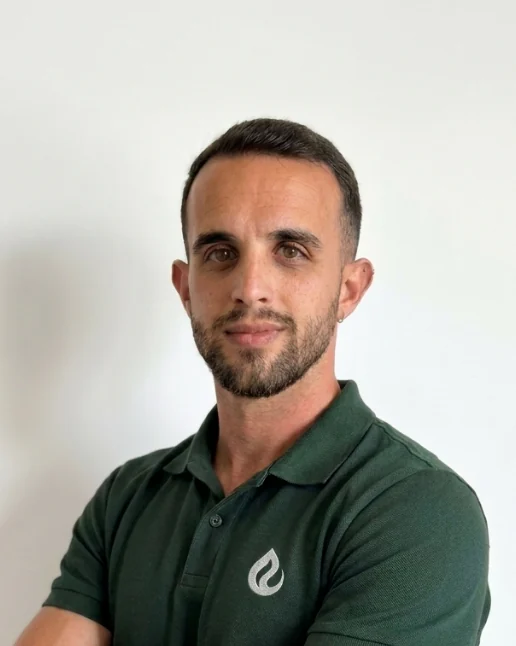
Víctor Lebrón

Víctor Lebrón

Personal Trainer

Specialist in functional training and physical performance. He builds each patient's exercise programme from their body composition and their goals, and adjusts it as the measurements move.

Let's talk

We answer your questions

We have not opened yet, so we are not booking appointments. But we are already here, by phone and on WhatsApp.

Opening soon

Málaga

Teatinos · Costa del Sol

Ask us whatever you need to know

We are not booking appointments yet because we have not opened. But we are already here: message us on WhatsApp or call, and we will explain how it works.

We ask for your name so we can reply to you by it.

Scientific backing

Publications by our team

Dr Mehran Izadi, co-founder of ELYSIA, is first author of these four scientific reviews, published in peer-reviewed journals and indexed in PubMed.

View of Málaga: the port, the cathedral and the seaMálaga · Teatinos-Universidad
Find us

Contact

We are in Málaga, on the Teatinos campus. The clinic has not opened yet, but we answer the phone and WhatsApp today.

Getting here and parking

Two free car parks and two paid ones, all a few minutes' walk away. Tap one to see the way to the clinic.

Bulevar Louis PasteurAv. Doctor Manuel DomínguezCalle Franz KafkaCalle KandinskyAv. Gregorio PrietoC. Gustavo PittalugaELYSIAP4 minP6 minP3 minP4 min
100 m
© OpenStreetMap

Opening hours

From the day we open

  • Monday09:00–13:00 · 16:00–20:00
  • Tuesday09:00–13:00 · 16:00–20:00
  • Wednesday09:00–13:00 · 16:00–20:00
  • Thursday09:00–13:00 · 16:00–20:00
  • Friday09:00–13:00
  • SaturdayClosed
  • SundayClosed
Frequently Asked Questions

Everything you need to know

If you have any questions you can't find here, don't hesitate to contact us directly.

Have more questions? Contact us

References

Sources

Every scientific fact on this page comes from a published study. These are the 21 sources, numbered in the order they appear.

Checked one by one on PubMed on 26 October 2026.

21
sources
14
scientific journals
2
Nobel Prizes
31
years of research
The sources over time
  1. 01

    The hallmarks of aging

    López-Otín C, Blasco MA, Partridge L, Serrano M, Kroemer G

    Cell2013153(6):1194-1217PubMed DOI
  2. 02

    Hallmarks of aging: An expanding universe

    López-Otín C, Blasco MA, Partridge L, Serrano M, Kroemer G

    Cell2023186(2):243-278PubMed DOI
  3. 03

    A C. elegans mutant that lives twice as long as wild type

    Kenyon C, Chang J, Gensch E, Rudner A, Tabtiang R

    Nature1993366(6454):461-464PubMed DOI
  4. 04

    Geroscience: linking aging to chronic disease

    Kennedy BK, Berger SL, Brunet A, et al.

    Cell2014159(4):709-713PubMed DOI
  5. 05

    Hallmarks of health

    López-Otín C, Kroemer G

    Cell2021184(1):33-63PubMed DOI
  6. 06

    Effect of the sun on visible clinical signs of aging in Caucasian skin

    Flament F, Bazin R, Laquieze S, et al.

    Clin Cosmet Investig Dermatol20136:221-232PubMed DOI
  7. 07

    Sunscreen and prevention of skin aging: a randomized trial

    Hughes MCB, Williams GM, Baker P, Green AC

    Ann Intern Med2013158(11):781-790PubMed DOI
  8. 08

    The Nobel Prize in Physiology or Medicine 2009

    Elizabeth H. Blackburn, Carol W. Greider and Jack W. Szostak, “for the discovery of how chromosomes are protected by telomeres and the enzyme telomerase”.

    NobelPrize.org2009Website
  9. 09

    A computational solution for bolstering reliability of epigenetic clocks: implications for clinical trials and longitudinal tracking

    Higgins-Chen AT, Thrush KL, Wang Y, et al.

    Nat Aging20222(7):644-661PubMed DOI
  10. 10

    Epigenetic biomarkers in aging and longevity: current and future application

    Izadi M, Sadri N, Abdi A, et al.

    Life Sci2024351:122842PubMed DOI
  11. 11

    The Nobel Prize in Physiology or Medicine 2016

    Yoshinori Ohsumi, “for his discoveries of mechanisms for autophagy”.

    NobelPrize.org2016Website
  12. 12

    Glycated hemoglobin, diabetes, and cardiovascular risk in nondiabetic adults

    Selvin E, Steffes MW, Zhu H, et al.

    N Engl J Med2010362(9):800-811PubMed DOI
  13. 13

    Enhanced protein translation underlies improved metabolic and physical adaptations to different exercise training modes in young and old humans

    Robinson MM, Dasari S, Konopka AR, et al.

    Cell Metab201725(3):581-592PubMed DOI
  14. 14

    Association of cardiorespiratory fitness with long-term mortality among adults undergoing exercise treadmill testing

    Mandsager K, Harb S, Cremer P, et al.

    JAMA Netw Open20181(6):e183605PubMed DOI
  15. 15

    Clearance of p16Ink4a-positive senescent cells delays ageing-associated disorders

    Baker DJ, Wijshake T, Tchkonia T, et al.

    Nature2011479(7372):232-236PubMed DOI
  16. 16

    Exercise reduces circulating biomarkers of cellular senescence in humans

    Englund DA, Sakamoto AE, Fritsche CM, et al.

    Aging Cell202120(7):e13415PubMed DOI
  17. 17

    Prognostic value of grip strength: findings from the Prospective Urban Rural Epidemiology (PURE) study

    Leong DP, Teo KK, Rangarajan S, et al.

    Lancet2015386(9990):266-273PubMed DOI
  18. 18

    Chronic inflammation in the etiology of disease across the life span

    Furman D, Campisi J, Verdin E, et al.

    Nat Med201925(12):1822-1832PubMed DOI
  19. 19

    Revised estimates for the number of human and bacteria cells in the body

    Sender R, Fuchs S, Milo R

    PLoS Biol201614(8):e1002533PubMed DOI
  20. 20

    Gut microbiome pattern reflects healthy ageing and predicts survival in humans

    Wilmanski T, Diener C, Rappaport N, et al.

    Nat Metab20213(2):274-286PubMed DOI
  21. 21

    Gut-microbiota-targeted diets modulate human immune status

    Wastyk HC, Fragiadakis GK, Perelman D, et al.

    Cell2021184(16):4137-4153PubMed DOI
Privacy and cookies

We use necessary cookies to make the site work and, only if you allow it, Google Analytics cookies to understand how it is used and improve it. We do not use advertising cookies. You can find the details in our Cookie Policy.